

Surose
Surose Karki is an SEO specialist with over five years of experience in optimizing websites for search engines and driving organic growth. He specializes in on-page SEO, local SEO, and content strategy, with a strong focus on improving search visibility, user experience, and conversion performance. With a data-driven approach and deep understanding of search intent, Surose helps businesses build sustainable digital presence through strategic optimization, technical precision, and high-quality content execution.
Search Engine Optimisation (SEO) is the process of optimising web pages to improve their visibility and ranking in search engine results, driving organic traffic and supporting long-term digital growth. This guide provides a complete overview covering SEO’s definition, evolution, and how search engines crawl, index, and rank content, based on relevance, authority, and performance. It explores core components including on-page, off-page, technical, and local SEO, along with strategies like keyword research, content optimisation, internal linking, and site structure. The content also addresses SEO tools, key performance metrics, comparisons with other digital channels, common myths, and emerging trends such as AI, semantic SEO, and zero-click searches.
Defining Search Engine Optimisation
Search Engine Optimisation (SEO) is the process of improving a website’s visibility in search engine results by optimising its content, technical structure, and authority signals. Its goal is to increase organic traffic by aligning web pages with how search engines evaluate relevance, quality, and user experience. Unlike paid search, which relies on ads for visibility, SEO earns rankings through optimised content, trusted backlinks, and strong site performance.
SEO operates across several dimensions. Organic SEO focuses on improving unpaid rankings through keyword targeting, relevant content, and metadata optimisation. On‑page SEO covers improvements made on the site itself—such as content structure and internal linking—while off‑page SEO strengthens authority through backlinks and brand mentions. SEO also varies in timeline: technical fixes may produce quick gains, while long‑term efforts like content development and authority building create sustainable visibility. Altogether, SEO is a multi‑layered discipline designed to improve rankings and support scalable digital growth.
SEO History & Evolution
Search Engine Optimisation (SEO) began in the mid‑1990s alongside early search engines like AltaVista and Yahoo. Early SEO focused on keyword repetition and metadata manipulation because algorithms were easy to exploit.
Google’s launch in 1998 changed this landscape by introducing PageRank, which evaluated backlinks as authority signals and marked the start of modern, structured SEO. As search engines matured, major updates such as Panda (2011) and Penguin (2012) penalised low‑quality content and manipulative link practices, pushing SEO toward quality, relevance, and natural link profiles.
The evolution continued with semantic search, mobile‑first indexing, and machine learning systems like Hummingbird and RankBrain, which emphasised context, search intent, and user experience. Today, SEO is a dynamic discipline focused on delivering relevant, structured content that aligns with advanced ranking systems and changing user behavior.
How Search Engines Work
Search engines operate in three main stages: crawling, indexing, and ranking. During crawling, bots (or spiders) scan the internet to discover new or updated pages. In the indexing stage, search engines analyse a page’s content, metadata, and structure, then store it in their searchable database.
In the ranking phase, pages are evaluated using hundreds of signals to determine their position in search results. Key factors include relevance to the search query, authority from backlinks, and user experience signals like page speed, mobile-friendliness, and accessibility.
Understanding this process helps guide effective SEO strategies focused on structured, high-quality content that aligns with search engine algorithms and user intent.
How SEO Works
SEO works by aligning a website with the factors search engines use to rank content. This includes targeting relevant keywords and entities that reflect user intent, placed naturally in titles, headings, metadata, and body content to strengthen topical relevance.
High-quality, well-structured content is essential. Adding structured data, multimedia, and comprehensive topic coverage helps both users and search engines better understand the page.
Authority is influenced by backlinks—links from credible, relevant websites signal trust and domain strength.
Finally, technical elements like fast loading speed, mobile responsiveness, secure HTTPS, and clear navigation improve both user experience and crawlability. These combined efforts ensure better indexing, higher rankings, and sustainable SEO performance.
Why Is SEO Important?
SEO is essential because it determines a website’s visibility in organic search results, directly influencing its ability to attract qualified traffic without paid advertising. As the majority of online experiences begin with a search engine, appearing prominently in search results is critical for reaching users actively seeking information, products, or services.
Beyond visibility, SEO plays a strategic role in business growth—connecting digital presence with measurable outcomes like lead generation, conversions, and revenue. By aligning a website with search engine expectations, businesses can build long-term digital equity, enhance brand authority, and reduce dependence on short-term paid campaigns. This positions SEO not just as a technical practice, but as a foundational component of sustainable online success.
Why SEO Matters for Websites & Businesses
SEO is a vital digital asset that directly impacts how businesses grow online. By aligning with search engine ranking factors, an optimised website gains greater visibility, stronger user engagement, and enhanced brand authority. For businesses, SEO is essential for discoverability, trust-building, and sustainable growth in competitive markets.
SEO as a Digital Growth Channel
SEO is a scalable, cost-effective way to attract users actively searching for solutions. Unlike paid ads, which stop when the budget ends, SEO delivers long-term value through structured content, keyword targeting, and technical optimisation. As search engines favor relevance and quality, SEO becomes a reliable engine for sustainable traffic, leads, and conversions.
Impact on Brand Visibility and Credibility
High search rankings boost a brand’s credibility. Users tend to trust websites that appear on the first page, especially those supported by quality content and backlinks. SEO improves visibility not just through keywords, but also via featured snippets, local results, and site links—broadening a brand’s digital presence.
Long-Term ROI and Organic Traffic
SEO delivers long-term ROI by generating consistent organic traffic without ongoing ad spend. Though it requires upfront effort, optimised content continues to attract visitors over time. Unlike short-term campaigns, SEO builds a lasting foundation for lead generation and brand growth.
Core Components of SEO
SEO is built on four key components: on-page, off-page, technical, and local SEO. Each contributes to improving rankings by addressing content quality, authority, site performance, and local relevance. Together, they form a complete framework for meeting both user needs and search engine standards.
On-Page SEO Fundamentals
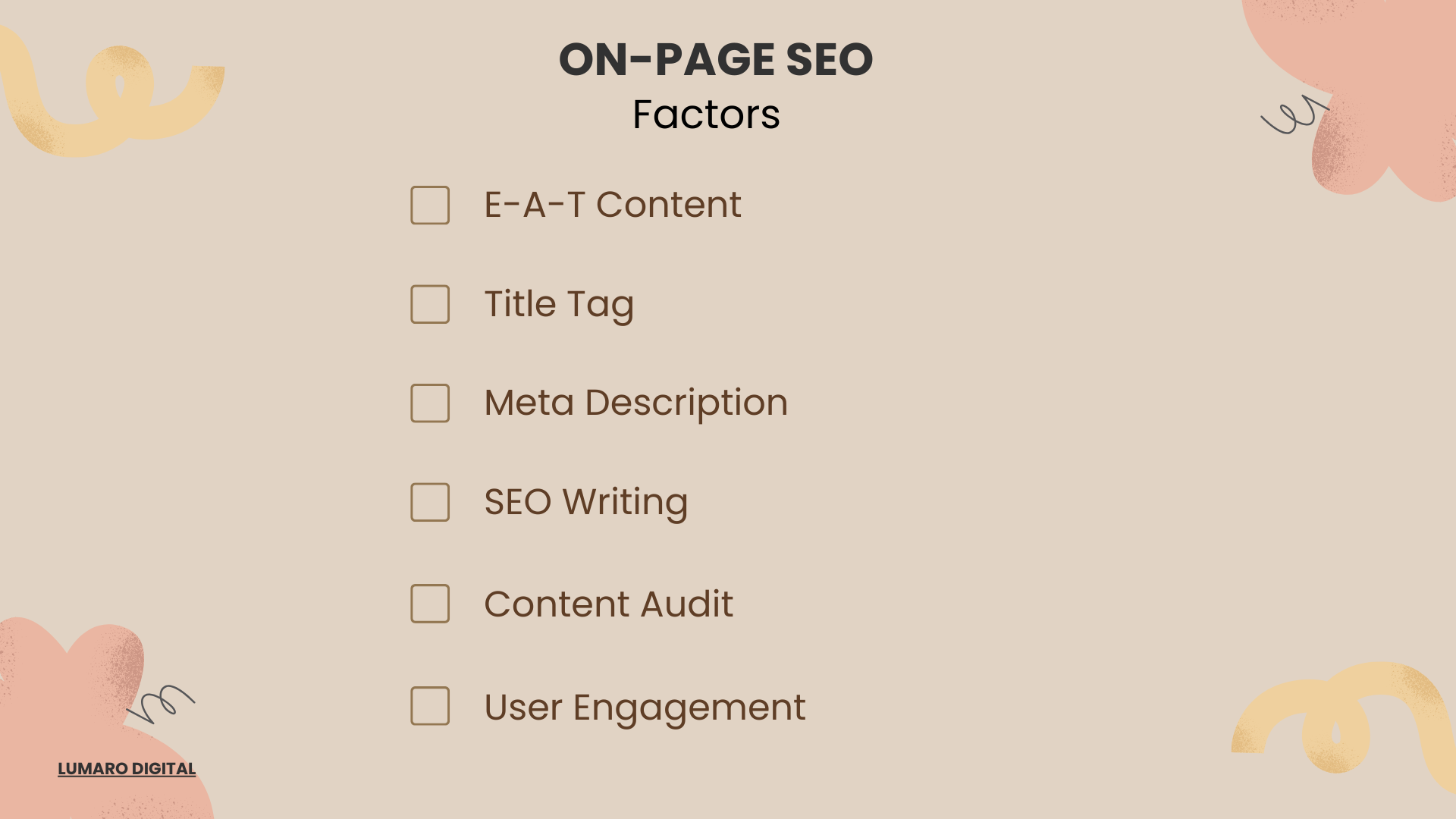
On-page SEO involves optimising elements within a webpage to improve search rankings. Key factors include metadata (title tags, meta descriptions), headers, and keyword placement aligned with user intent. High-quality, well-structured content, image alt text, and schema markup also boost accessibility and visibility in search features like rich snippets.
Off-Page SEO Essentials
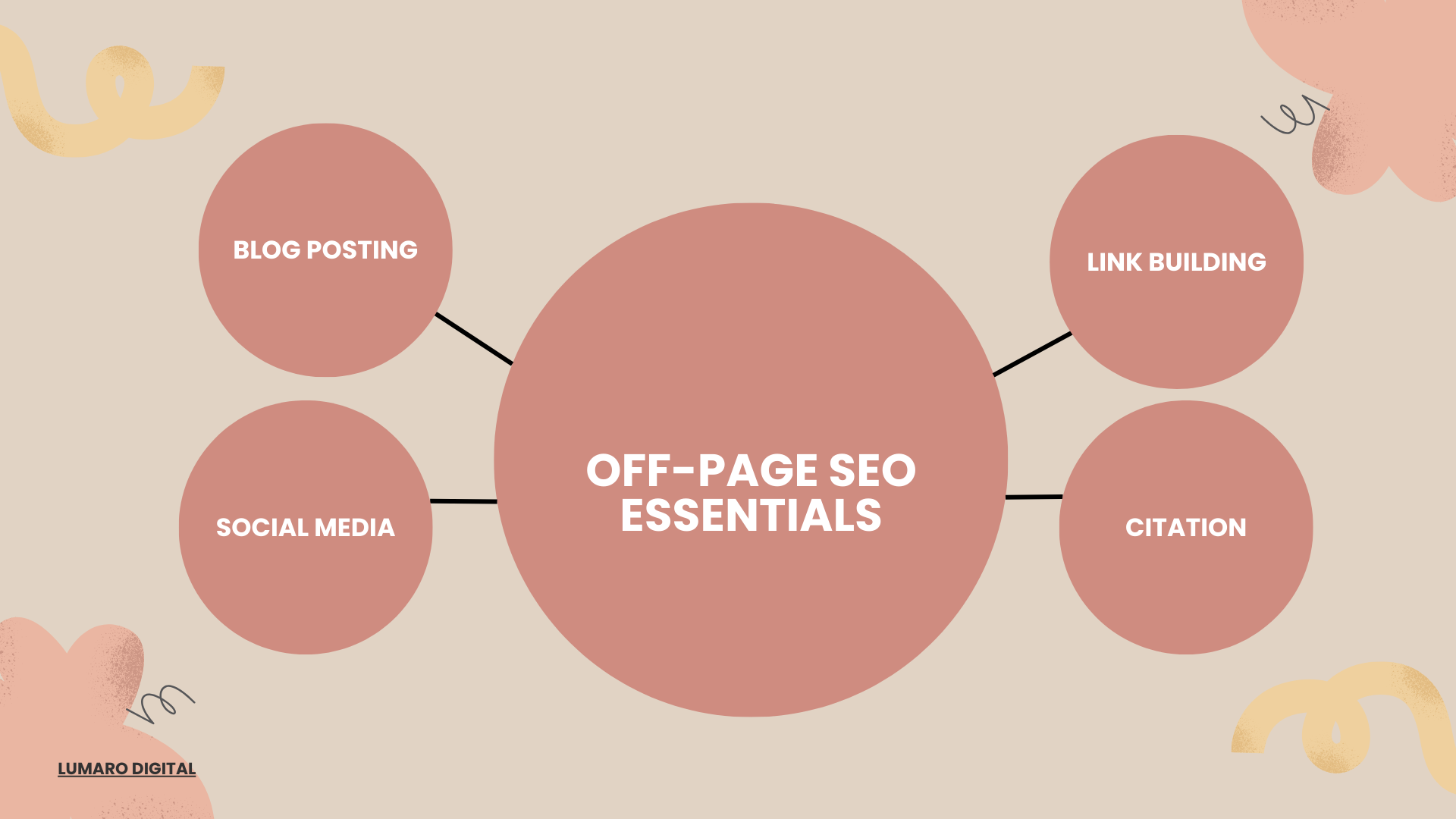
Off-page SEO builds authority through external signals, mainly backlinks from reputable sites. A strong link profile boosts domain trust and rankings. Effective strategies include guest posts, digital PR, and content partnerships. Brand mentions, social signals, and reviews also enhance visibility and credibility.
Technical SEO Overview
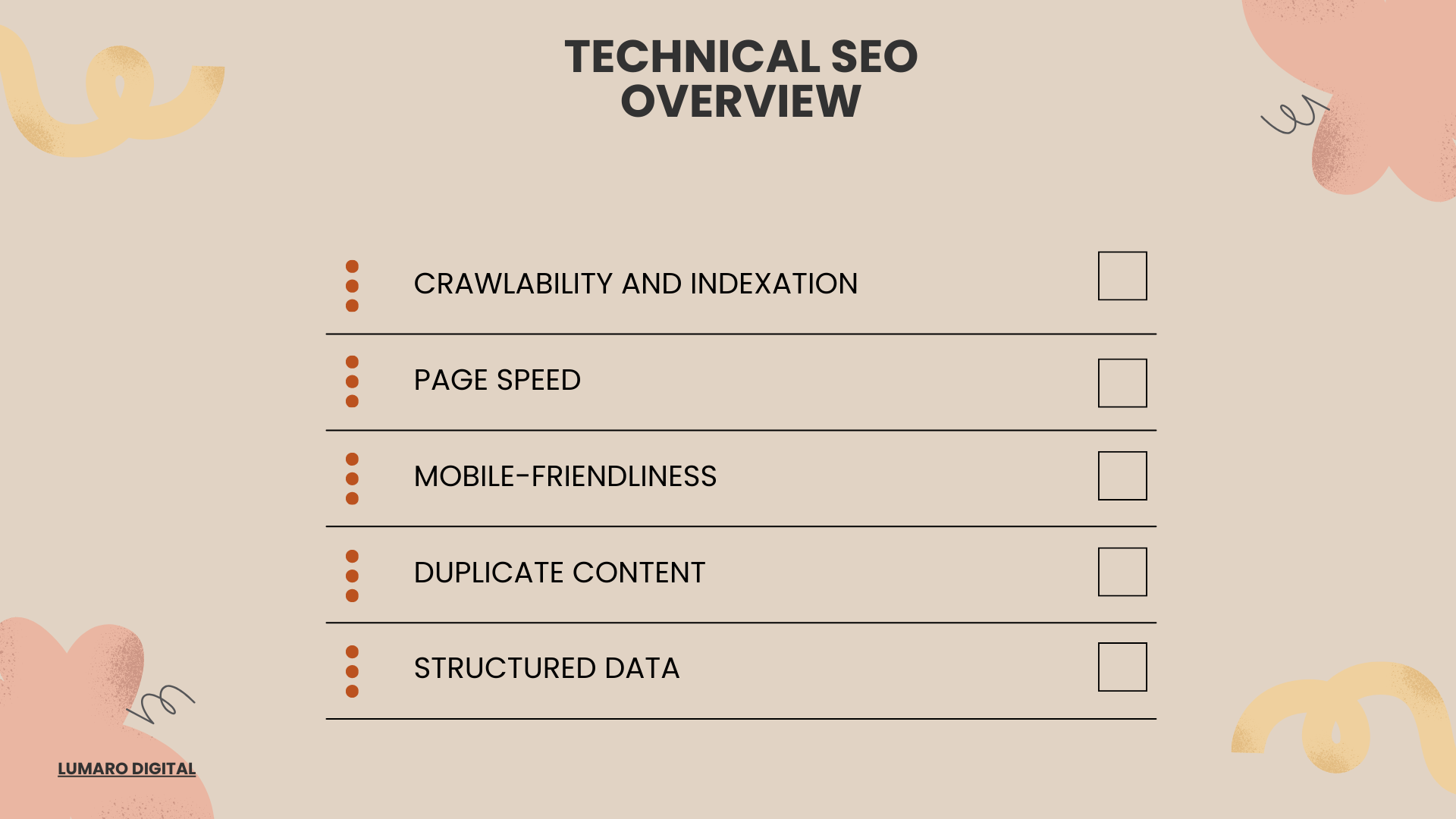
Technical SEO focuses on optimising a site’s infrastructure for effective crawling, indexing, and rendering. Key elements include fast page speed, mobile responsiveness, HTTPS, clean URLs, XML sitemaps, and canonical tags. Tools like Google Search Console help detect issues, while regular audits ensure peak site performance and ranking potential.
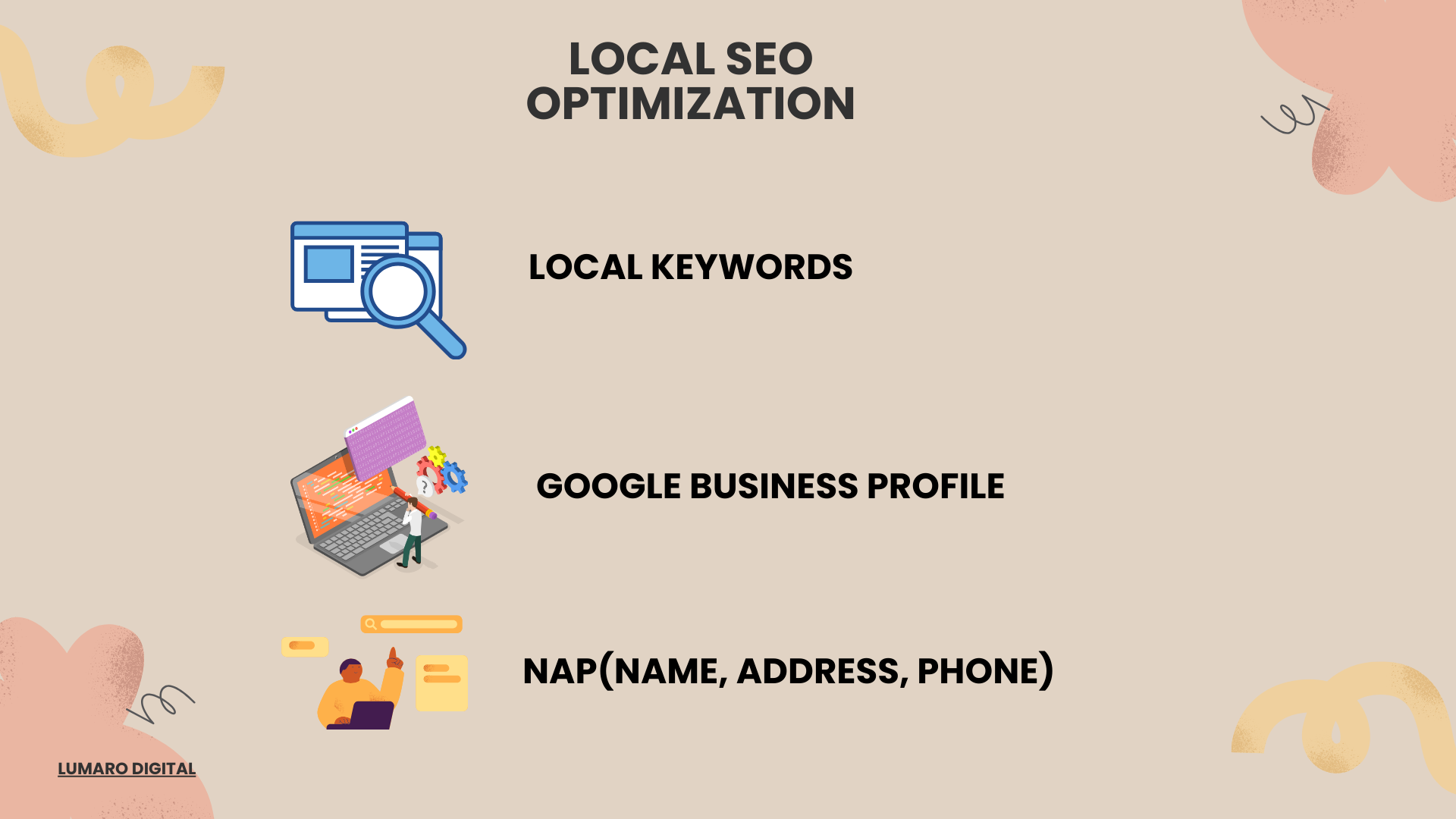
Local SEO Optimisation
Local SEO improves visibility in location-based searches, helping businesses attract nearby customers. Key tactics include optimising the Google Business Profile, consistent NAP citations, local keywords, and earning positive reviews. Local backlinks and proximity to the searcher also boost rankings in local packs and map results.
SEO Strategies & Best Practices
Effective SEO relies on a structured, data-driven strategy that aligns with search engine guidelines and user behavior. From keyword research to link building, each element works together to improve rankings and long-term visibility. The best practices below support sustainable and authoritative SEO growth.
Keyword & Entity Research Basics
Keyword and entity research is the foundation of SEO. It involves identifying search queries that match user intent—informational, transactional, or navigational. Tools like Google Keyword Planner, Ahrefs, and Semrush help uncover relevant keywords and semantic entities. This research ensures content aligns with how search engines understand meaning, supporting relevance and topic depth.
Content Optimisation
Content optimisation improves relevance, readability, and engagement by refining on-page elements. Key practices include placing keywords in headings, metadata, and body content, using clear structure, and adding multimedia and internal links. Applying E-E-A-T principles helps content rank well and meet user expectations.
Internal Linking & Semantic Networks
Internal linking distributes authority and reinforces topic relevance. Descriptive anchor texts should connect pillar pages and supporting content to form semantic networks. This improves crawl efficiency, discoverability, and helps search engines understand site structure and content depth.
Site Structure
A clean, logical site structure helps both users and search engines. Use hierarchical page organisation, clear navigation, descriptive URLs, and minimal crawl depth. Features like breadcrumbs and siloed content improve indexing. Addressing canonical and duplicate content issues preserves ranking signals and supports better visibility.
White Hat vs. Black Hat SEO Approaches
White-hat SEO uses ethical tactics that follow search engine guidelines, like quality content, natural links, and user-focused optimisation. Black-hat methods—such as keyword stuffing or link schemes—try to manipulate rankings and risk penalties. Sustainable SEO relies on credibility and long-term best practices.
Link Acquisition
Link acquisition focuses on earning high-quality backlinks to boost authority and rankings. Effective strategies include guest posting, creating linkable assets, and outreach for editorial links. Quality and relevance matter more than quantity. Avoiding manipulative tactics ensures long-term SEO success and algorithmic trust.
SEO Tools and Technologies
Modern SEO depends on tools that support implementation, monitoring, and optimisation. Key categories include crawlers for audits, rank trackers for monitoring positions, and on-page analysis tools for content and structure. These technologies enable a data-driven, scalable SEO strategy.
Crawlers

Crawlers (or spiders) are bots that mimic how search engines explore websites. They analyse structure, links, and metadata to spot indexing issues. Tools like Screaming Frog and Sitebulb identify problems like broken links, redirects, and duplicate content—ensuring sites are crawlable and optimised for visibility.
Rank Trackers
Rank trackers measure keyword positions over time to evaluate SEO performance. Tools like Ahrefs, SEMrush, and DataForSEO track rankings by device, location, and SERP features. This data helps refine targeting, monitor trends, and uncover optimisation opportunities.
On-Page Analysis Tools
On-page analysis tools check individual pages for SEO best practices. They assess titles, headings, keywords, meta descriptions, internal links, and readability. Tools like SurferSEO, Yoast SEO, and Screaming Frog help identify issues, suggest improvements, and enhance content relevance and performance.
Measuring SEO Success (KPIs & Metrics)
SEO success depends on tracking key metrics like organic traffic, keyword rankings, engagement, and conversions. These KPIs help evaluate what’s working, identify improvement areas, and align results with business goals for ongoing performance.
Organic Traffic & Clicks
Organic traffic measures visitors from unpaid search results and reflects how well a site ranks and attracts interest. Clicks from listings, snippets, or site links show how effective your titles and metadata are. Growth in organic traffic signals strong SEO performance and visibility.
Keyword Rankings & SERP Features
Tracking keyword rankings shows how well a site performs over time. Changes can reflect SEO efforts or algorithm updates. Visibility in SERP features—like snippets or People Also Ask—boosts traffic and authority. Monitoring tools help optimise content, metadata, and structure accordingly.
Engagement Metrics (Bounce Rate, Time on Page)
Engagement metrics like bounce rate and time on page reveal how users interact with content. Low bounce rates and longer visits indicate relevance and quality. Improving readability, navigation, and content alignment with user intent helps boost engagement and SEO performance.
Conversions, Leads & ROI Tracking
SEO success is measured by business outcomes like leads and conversions—via forms, purchases, or calls. ROI tracking compares these results to SEO costs over time. A strong strategy drives sustained growth and reduces reliance on paid channels.
Common SEO Myths & Misconceptions
SEO is often misunderstood due to common myths that misrepresent how search engines work. These misconceptions can lead to poor strategies and wasted resources. Debunking them is key to building an effective, long-term SEO approach based on real algorithm behavior.
SEO Is Dead
The claim that “SEO is dead” resurfaces with each algorithm change or tech shift like AI and voice search. In truth, SEO has evolved—moving away from outdated tactics toward quality content, user experience, and semantic relevance. As long as search engines exist, SEO remains essential.
Posting More Content Always Equals Higher Rankings
More content doesn’t automatically improve SEO. Search engines favor high-quality, relevant content that meets user intent. Publishing too much without strategy can dilute authority and cause indexing issues. SEO success depends on depth, value, and topic alignment—not sheer volume.
Meta Tags Don’t Matter Anymore
Meta tags still matter. While not all impact rankings directly, title tags and meta descriptions are key for relevance and click-through rates. Well-optimised metadata improves search visibility and user engagement, making it a vital part of SEO.
SEO Results Are Immediate
SEO doesn’t deliver instant results. Unlike paid ads, it’s a long-term strategy that builds over time through content, links, and technical improvements. Search engines need time to evaluate changes, and strong rankings usually take months—making consistency and patience essential.
Future of SEO
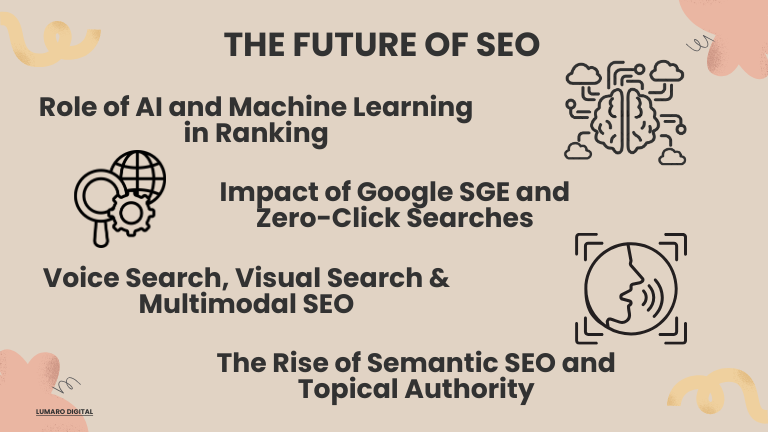
SEO is evolving with AI, zero-click results, and a shift toward semantic understanding. Keyword-focused tactics are being replaced by strategies centered on meaning, context, and user intent. To stay competitive, businesses must focus on structured, authoritative, and user-focused content.
- Role of AI and Machine Learning in Ranking
AI and machine learning now shape how search engines rank content. Tools like RankBrain and BERT help interpret context, natural language, and user behavior. SEOs must move beyond surface tactics and focus on deeper, intent-driven content to meet evolving algorithm standards.
- Impact of Google SGE and Zero-Click Searches
Google’s SGE and zero-click searches reduce the need for users to visit websites by showing answers directly in SERPs. To stay visible, content must be concise, structured, and authoritative—optimised for featured snippets and other rich results.
- Voice Search, Visual Search & Multimodal SEO
Voice and visual search are growing with smart devices, requiring content to support natural language, structured data, and contextual relevance. Multimodal SEO ensures content works across spoken, typed, and visual inputs—optimising visibility across platforms and formats.
- The Rise of Semantic SEO and Topical Authority
Search engines are shifting from keyword matching to semantic understanding, placing greater emphasis on entity relationships, content depth, and topic coverage. Building topical authority requires creating interconnected content that thoroughly explores subject matter within a well-organised structure. This includes establishing internal link networks, optimising for entities, and aligning with user intent. The future of SEO lies in mastering semantic SEO where relevance, context, and authority define visibility, not just keyword presence.
Final Thoughts
SEO remains a foundational pillar of digital visibility, connecting users to content through structured relevance, authority, and performance. As explored throughout this guide, successful SEO involves more than keywords—it requires a strategic blend of technical optimisation, quality content, link acquisition, and semantic alignment to meet evolving search engine standards. By understanding how SEO works, implementing best practices, and adapting to future trends like AI, zero-click SERPs, and semantic search, businesses can secure sustainable growth and long-term return on investment. Now is the time to audit your website, refine your content strategy, and build toward topical authority.